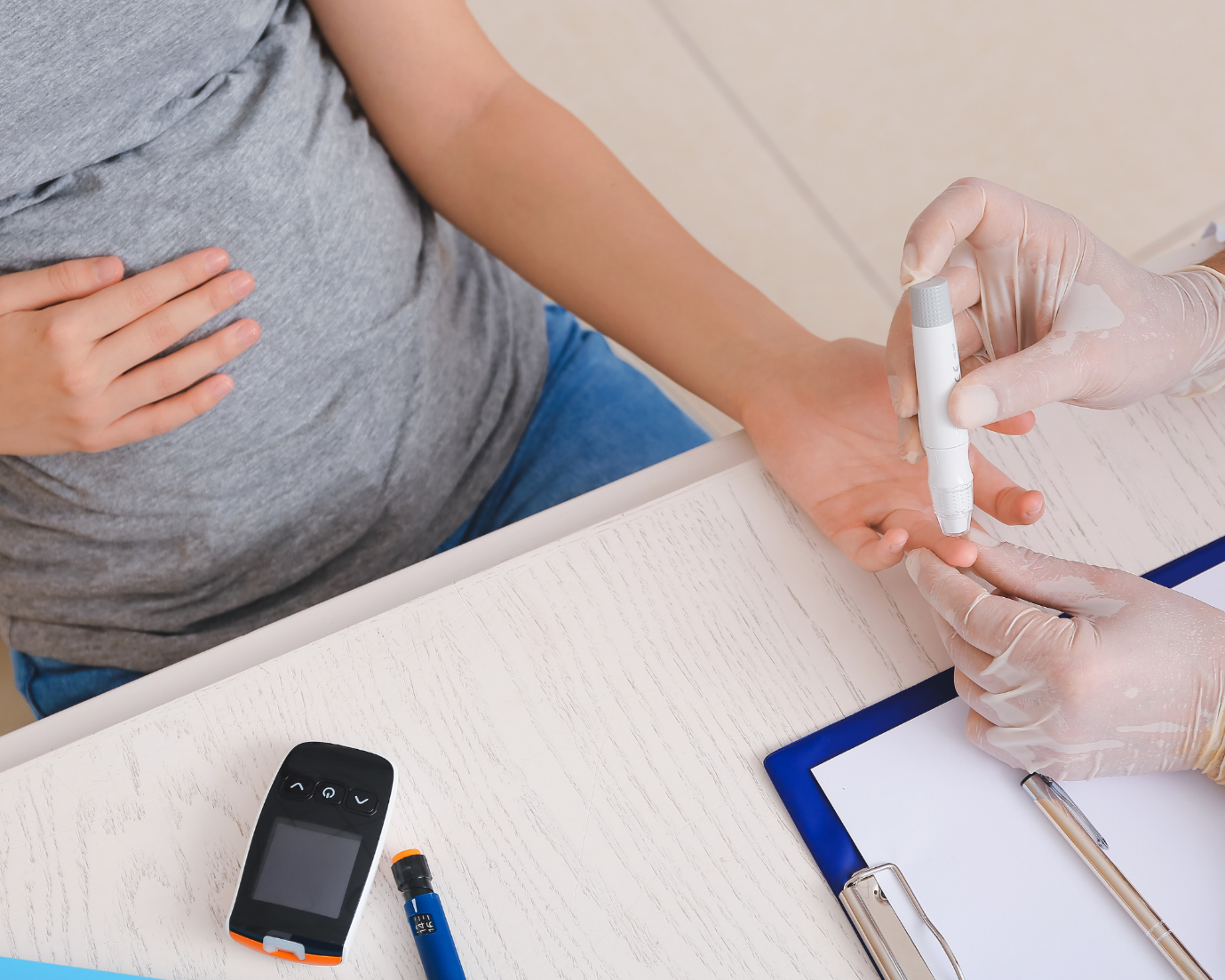

Did you know that the amount of weight gained during pregnancy can have a short- and long-term impact on both the mother and her baby? There are many studies that support the associations between excessive weight gain during weight gain and several adverse outcomes of the mother and her baby, such as a larger baby, higher risk of developing gestational hypertension and gestational diabetes mellitus, and the need for caesarean section. Furthermore, women who gained excessive weight during pregnancy are at higher risk of postpartum weight retention and may develop obesity at the later stage, which can affect long-term health. On the other hand, inadequate weight gain during pregnancy is associated with decreased infant’s birth weight or small for gestational age infant, which can have both short- and long-term consequences.
Pregnancy is considered a nutritionally vulnerable period where body undergoes various changes to accommodate for the needs of the growing fetus. Weight gain during pregnancy is one of the normal physiologic changes primarily due to the weight of the growing fetus as well as the increase in maternal body fluid (blood and water), which is important for the baby’s circulation and contributes to the placenta and amniotic fluid. Weight gain is hardly noticeable during the first 12 weeks of pregnancy or first trimester. Women tend to gain more weight during the second and third trimesters, with the rate of weight gain largely varying between individuals. However, gaining weight too quickly may be a sign of health problems, which requires monitoring by the doctor or midwife. Very fast and extreme weight gain may indicate pre-eclampsia, which is characterized by symptoms including high blood pressure, dizziness, nausea, and headache. Pre-eclampsia can lead to life-threatening complications for the mother and her baby if left untreated. Hence, it is important to monitor your weight gain during pregnancy on a regular basis.
So, what is the right amount of weight that a woman should gain during her pregnancy? The recommended range of gestational weight gain depends on one’s pre-pregnancy body mass index (BMI). To calculate BMI, divide your weight in kilograms by your height in metres squared. According to the Institute of Medicine (IOM) guidelines in 2019, the recommended range of weight gain during pregnancy is 12.5-18.0 kg for underweight (BMI <18.5 kg/m2), 11.5-16kg for normal weight (BMI 18.5-24.9 kg/m2), 7-11.5 kg for overweight (BMI 25.0-29.9 kg/m2) and 5-9 kg for obese (BMI ≥30.0 kg/m2). Regardless of your BMI before conception, it is possible to achieve an optimal weight gain during pregnancy. However, it is recommended for one to manage a healthy weight status before conception to reduce the risk of developing complications during pregnancy.
In addition, the additional energy requirements during pregnancy must be considered. According to the Recommended Nutrient Intake for Malaysia published by the Ministry of Health (MOH) Malaysia in 2017, extra energy is needed during pregnancy to ensure healthy growth of the fetus, placenta, and various maternal tissues, such as the breasts, uterus, and for fat storages. The additional energy requirements of 80 kcal/day during the first trimester, 280 kcal/day during the second trimester, and 470 kcal/day during the third trimester are also recommended to consider the changes in metabolism and increased demand of energy at rest and during physical activity of the pregnant women. Hence, to ensure a healthy gestational weight gain, one must learn to eat smart.
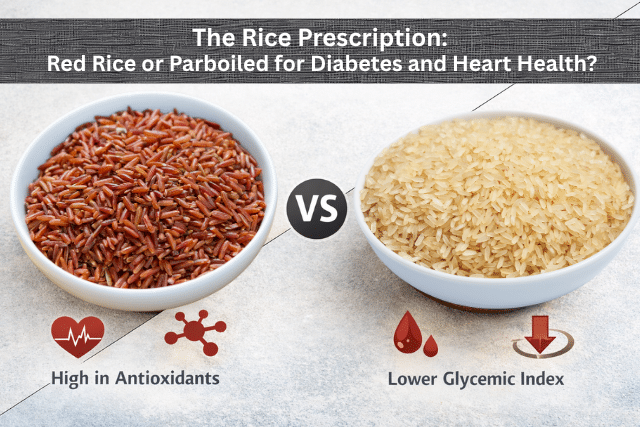
Generally, a healthy diet and an adequate amount of physical activity are the keys to managing a healthy gestational weight gain. As consumption of low glycemic index (GI) foods has been associated with the suppression of appetite and promotion of satiety due to a slower rate of digestion, a low-GI diet may benefit pregnant women by preventing excessive gestational weight gain. Among the non-pregnant overweight and obese women, low GI foods can help to reduce food cravings and regulate insulin levels, which can facilitate fat loss and subsequently help manage weight. In fact, emerging evidence shows that women following a low GI diet during pregnancy had increased dietary fiber intake, improved maternal glycemia, and gained significantly less weight during pregnancy. One of the randomized controlled trials also reported that pregnant women who consumed a low GI diet are more motivated to make positive modifications to their diet during pregnancy, which may improve their overall diet. Another study also observed consistent changes in lipid and fatty acid metabolism among pregnant women who consumed a low GI diet. Although more research is needed to confirm the association between low GI diet and gestational weight gain, low GI diets are generally healthy and safe to consume for most populations.
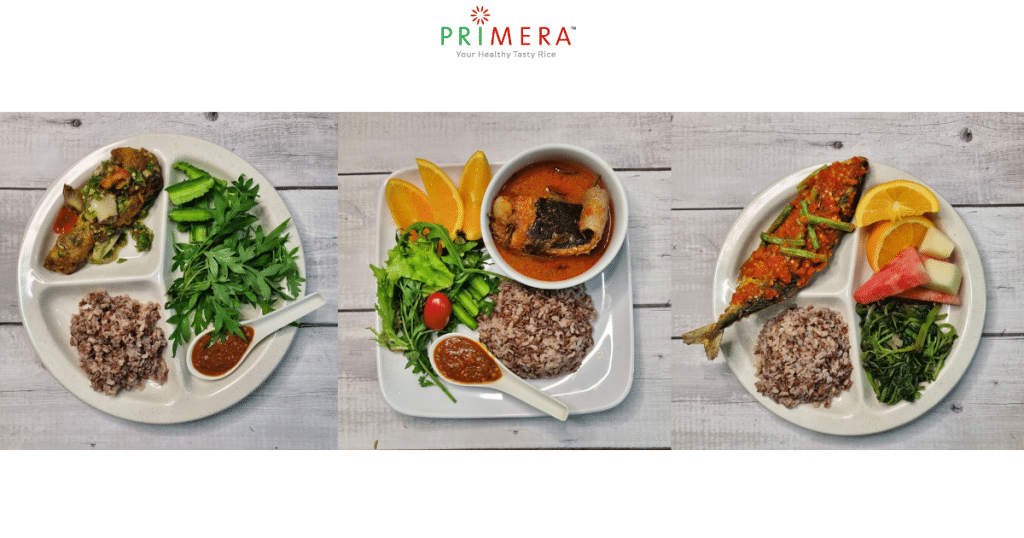
How does a low GI diet look like? The good news is that a low GI diet is relatively easy to follow by modifying your current diet based on the following tips:
Keep in mind that pregnancy is not about eating for two. While you are consuming a low GI diet, it is important to follow the recommendations by MOH on the recommended energy intake for each trimester of your pregnancy. Remember the 3 keys to healthy eating: Variety, Balance and Moderation. Follow the Suku Suku Separuh or Quarter Quarter Half (QQH) concept as a guideline to healthy eating. On top of a healthy diet, regular physical activity is also needed to help manage weight gain during pregnancy. If you have any underlying health conditions, it is important for you to consult your doctor or dietitian to obtain specific advice regarding your diet.

Please click the button below to download our latest brochure.
[Download] Official Primera Brochure
[Download] Primera Rice Cooking Guideline
[Download] Primera Rice Quick Facts
Thank you for your interest in Primera.