Childhood obesity is a serious public health challenge in 21st century. It happens when the body fat of a child is higher than the ideal range. Childhood obesity is a complex health problem and frequently contributes to a series of immediate and life-long diseases, including high blood pressure, sleep apnea, diabetes mellitus, gastrointestinal diseases, cardiovascular diseases, psychosocial difficulties and musculoskeletal problems. Environment and genetics can contribute to overweight and obesity in children and adolescents. Lately, attention has emphasized on improving the diet habits and physical activity in children as a strategy to manage childhood obesity. Dietary pattern is a vital factor correlated with the health status of children. Malnutrition such as inadequate dietary intake used to be a substantial child-health issue; however, dietary patterns in children have changed over time. Recently, nutrient-dense diet have been substituted with energy-dense diet in children, particularly in developed countries. This dietary transition is happening in Malaysia too, and has led to a dramatic increase in childhood obesity.
Childhood is an important period for shaping eating behavior. Good eating behavior will carry over into adulthood and as such decrease the long-term risks of non-communicable diseases. A nutritious diet is of utmost importance for a child, since the diet quality is significantly correlated with the physical and cognitive development. Dietary modification is challenging; however, good parental feeding practices is one of the strategies to improve the eating behavior in children, subsequently reducing the prevalence of childhood obesity. A number of studies have investigated the effect of macronutrients including carbohydrate, protein and fat, on overweight and obesity. Calorie-restricted and low-fat diets are the conventional dietary approach to manage obesity, which however, only demonstrated modest and non-sustainable effects on weight reduction. Despite the reduction of dietary fat as a percentage of total calorie to near recommended levels, prevalence of overweight and obesity still increased to an alarming rate in recent years. Lately, alternative dietary interventions, including diet with low glycemic index (GI) has been proposed to manage overweight and obesity. Diets providing a low GI appeared to have promising effects on weight reduction.
The GI was introduced in 1981 by Jenkins and co-workers, as an instrument for food selection among diabetic patients. It refers to the glycemic response to a carbohydrate containing food; specifically, the effect of the respective food has on blood sugar levels after consumption. Basically, insulin and blood sugar levels will spike after a meal, and then return to normal once or soon over a period of time. Formerly, it was broadly believed that glycemic response to a diet is determined primarily by the total amount of carbohydrate in the meal. Thus, the conventional dietary plan was mainly modified based on the carbohydrate contents. However, a number of studies have reported that both quality and quantity of carbohydrates should be taken into consideration in respect to weight management. Hence, the dietary modification has gradually changed in the recent decade with the presence of GI concept, where food with similar amount of carbohydrate does not commonly have the same impact of blood sugar levels. In recent years, the concept of GI has been transformed by its popularizers from a potentially beneficial tool in dietary planning for diabetic patients, to a key player for the management of obesity. Several evidences have reported a low GI diet seems to be a promising alternative to conventional dietary approach for children with overweight and obese.
As regards to the possible factors that affect the glycemic response, a low GI diet contains higher soluble fiber, it may slower the stomach emptying. On the other hand, the presence of resistant starch in a low GI diet may reduce the bioavailability of the enzymes to starch, subsequently reduce the glucose absorption. Besides, a low GI diet may facilitate weight loss by lowering insulin levels. Low insulin levels would be likely to reduce the uptake of nutrients into muscle, liver and adipose tissue. The consumption of high GI food will increase the blood sugar level and subsequently increase the insulin secretion. The presence of insulin will inhibit hepatic glucose production, consequently it will drop the glucose level rapidly and resulting to the development of hunger, causing excessive calorie intake. A low GI diet may deliver a slow and gradual glucose release in the circulation, it may reduce lipogenesis and promote the increasing of fat oxidation. Subsequently, it may improve the satiety and resulting in reducing the food intake.
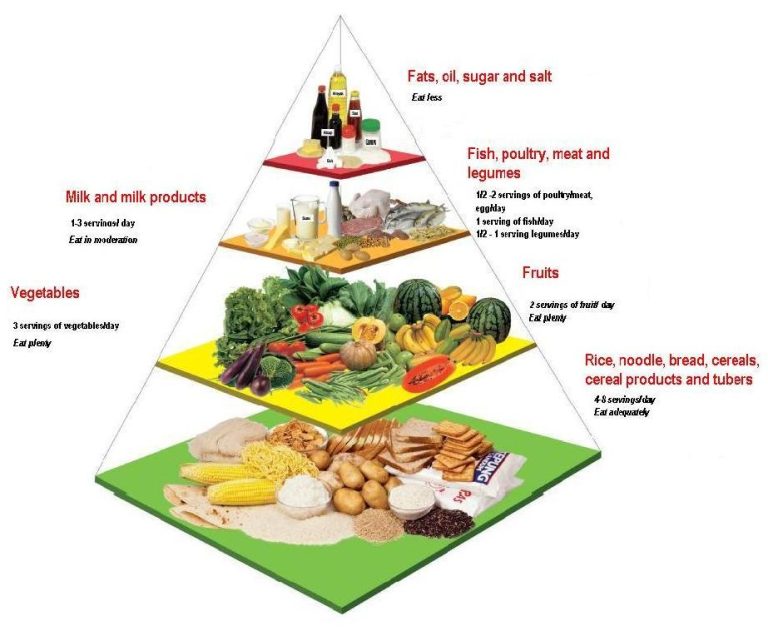
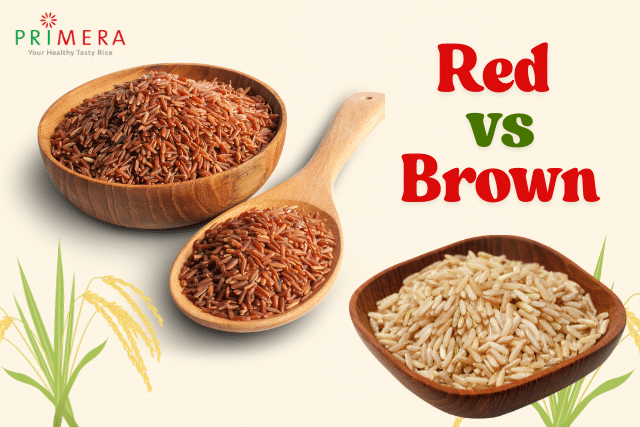
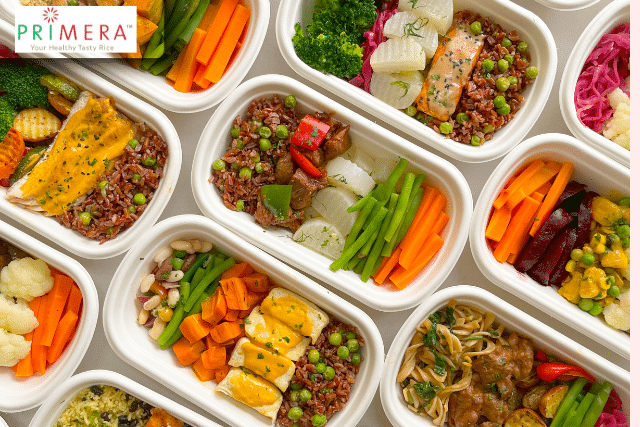
The crucial step to healthy family eating is selecting plenty of fresh food according to Food Pyramid Malaysia. However, it is great to include the concept of GI in your family meal plan. If the satiety of children improved, they are less likely to snack on unhealthy options between meals, consequently reduce the body weight. The example of low GI food including red rice, vegetables, oats, multigrain, rye and varies type of fruits. Offering new low GI food to children might be challenging; however, apply the recurrent exposure strategy, in which same food is offered repeatedly to a child, has shown a positive impact in promoting the unfamiliar food in children population, especially for those low GI food. When planning about incorporating low GI food into children meal, there are a few things can be implemented. We may include the red rice noodle, whole grain bread or cereals as their breakfast; use the red rice to prepare a rainbow fried rice for their lunch; cilantro lime red rice as their dinner; red rice dumpling as their healthy snack; and not to forget to serve low GI fruits e.g. guava, apple or orange at every meal. Incorporate the low GI food for everyone in the family, so that a child does not feel singled out. Parents play a vital role in children’s eating behavior and taste preferences, by creating the availability of some foods rather than others, and by acting as role models. Putting children on a strict diet will not help in weight reduction, yet will cause the children miserable. Parents may try to reduce the children weight without focusing too much on the weighing scale.

Please click the button below to download our latest brochure.
[Download] Official Primera Brochure
[Download] Primera Rice Cooking Guideline
[Download] Primera Rice Quick Facts
Thank you for your interest in Primera.