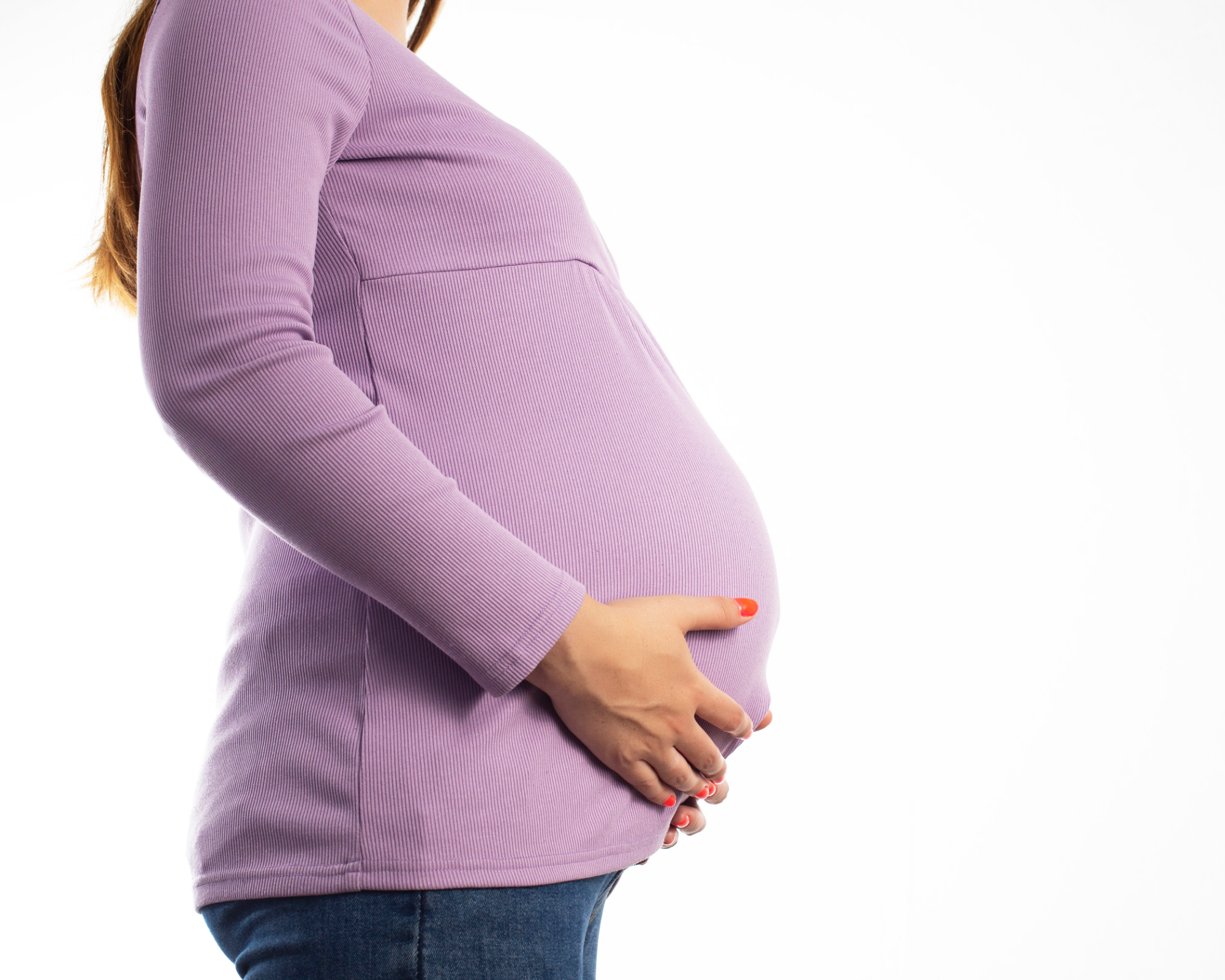

Gestational diabetes mellitus (GDM) is one of the most common yet concerning medical condition during pregnancy. Similar to diabetes, it is characterized by high blood glucose levels. GDM can develop during any stage of pregnancy but is more common during the second or third trimester. It occurs when your body is unable to produce enough insulin, a hormone that helps regulate blood glucose levels, to meet your body’s extra needs during pregnancy. During pregnancy, a mother’s body undergoes various changes, such as the production of more hormones and weight gain. These changes can result in insulin resistance, a condition where the body’s cells use insulin less effectively, hence increasing the body’s need for insulin. Under these circumstances, glucose tends to accumulate in the blood after eating instead of being absorbed by the cells to convert to energy. In pregnant women who are diagnosed with GDM, blood glucose levels will usually return to the normal level after birth.
According to the National Health Morbidity Survey 2015, the prevalence of diabetes increases with age. In relation to this, the National Obstetric Report involving 14 tertiary hospitals reported that the incidence of diabetes in pregnancy was 8.66% in 2011 and 8.83% in 2012. It is a concern as GDM can harm both mother and baby during pregnancy and in the long term. During pregnancy, women with GDM are at higher risk of developing pre-eclampsia, hypertension, premature birth, induction of labor, and caesarean section. In the long term, women with GDM are more likely to develop type 2 diabetes mellitus (T2DM). GDM in mothers can potentially result in baby growing larger than usual (macrosomia), hypoglycemia, and respiratory distress. However, the risks of GDM can be reduced if it is detected early and managed properly. The main aspect of GDM management is careful control and monitoring of blood glucose levels as soon as it is diagnosed.
The keys to the management of GDM are lifestyle intervention, self-monitoring of blood glucose levels, patient education, and pharmacological intervention when necessary. The primary approach for GDM is dietary control. Typically, pregnant women with GDM are given individualized medical nutrition therapy (MNT) which includes a carbohydrate-controlled meal plan and close monitoring of gestational weight gain by the healthcare staff. Additionally, further treatments including metformin and insulin therapy are recommended if conditions are not controlled properly.
The MNT consists of nutritional diagnosis and management that include dietary intervention and counseling on GDM. Dietary principles involved in designing the MNT are based on the nutritional requirements for a healthy pregnancy, managing gestational weight gain, reducing high glycaemic index (GI) carbohydrates, and replacing them with low GI carbohydrates. As carbohydrates in food directly affect blood sugar levels, the amount and type of carbohydrate consumed are normally targeted when designing the MNT. In addition, pregnant women with GDM are normally advised to consume small meals spread over the day. In addition, moderate exercises, such as walking are recommended to help maintain the overall fitness and keep the glycaemic levels in check.
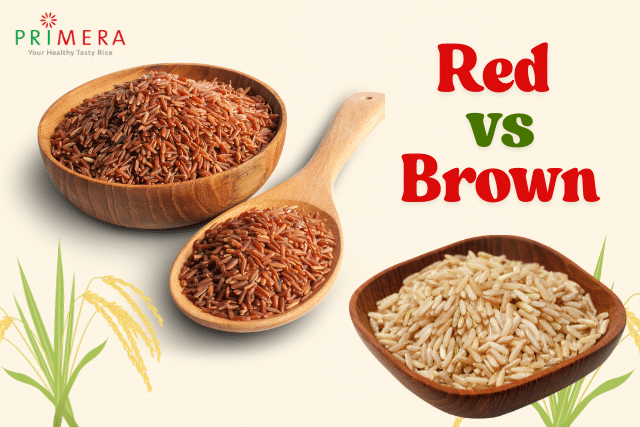
Consuming the appropriate type of carbohydrate that is lower in GI is one of the strategies of the carbohydrate-controlled meal plan. The GI rating system reflects how fast or slow food with carbohydrate raise one’s blood glucose level. High GI carbohydrates increase glucose levels rapidly while low GI carbohydrates release glucose into the bloodstream slowly. Examples of high GI foods are white rice, white bread, mee hoon, potatoes, roti canai, sugary drinks, and confectionery (cakes, cookies, chocolate, and sweets). Low GI foods include wholegrain rice, basmati rice, vegetables, lentils, wholegrain bread, and oats. Several factors also play a role in influencing the GI of food, such as cooking or preparation method, the degree of ripening, and nutrient composition. Therefore, it is generally recommended for pregnant women diagnosed with GDM to switch their current carbohydrate food options from high GI to low GI alternatives in order to manage their blood glucose level.
Emerging evidence supports that a low-GI diet can reduce the need for the use of insulin in managing GDM without compromising pregnancy outcomes. On top of managing GDM, some studies showed that a low GI diet is also useful in preventing excessive gestational weight gain when combined with multiple lifestyle approaches. The low-GI diet has been reported as an effective approach in controlling the blood glucose level in GDM patients. Evidence from several well-designed randomized controlled trials (RCTs) showed that the group that consumed a low G1 diet had a significantly reduced need for insulin therapy. A review that examined 11 trials involving 1985 women at risk of GDM or diagnosed with GDM summarized that low-GI diets significantly reduced fasting and two-hour postprandial glucose levels. These results showed that dietary modification by incorporating low GI foods may present as a cost-effective treatment for GDM.
A low-GI diet is easy to adopt for the Malaysian populations as the staple food in Asia normally consists of polished rice and refined wheat with high GI values. Some easy-to-follow tips to incorporate more low GI food into your current diet include: 1) swap to wholegrain rice; 2) choose wholegrain bread; 3) include more legumes such as chickpeas, lentils, and kidney beans; 4) consume an adequate amount of fruits and vegetables daily; 5) opt for high-fiber options of processed food, if applicable; and 6) eat a smaller portion of high GI foods. Nonetheless, it is important to consult a nutritionist or dietitian before modifying your diet to ensure optimal nutritional outcomes are met. A low-GI diet is recommended to be involved as a supplement approach in managing GDM.
Nutrition during pregnancy is critical for the prevention and management of GDM as well as for the health of both mother and infant. Hence, it is important to have an overall healthy, balanced meal to meet your nutritional requirements during pregnancy, especially when you have GDM. It is also crucial to constantly self-monitor your blood glucose level to prevent hypoglycemia and hyperglycemia episodes. Keep in mind that a single intervention may not be adequate to prevent or treat this complex disease.

Please click the button below to download our latest brochure.
[Download] Official Primera Brochure
[Download] Primera Rice Cooking Guideline
[Download] Primera Rice Quick Facts
Thank you for your interest in Primera.