Polished vs Unpolished Rice
October 15, 2019
Bolehkah Pesakit Kencing Manis Makan Nasi?
October 22, 2019
Have you eaten already? Does this sound familiar? Malaysians and food always come together. Excessive eating habits have made Malaysians to be one of the most “obese” country in Asia, with nearly half of the Malaysian adult population now being overweight or obese.
Excessive body weight serves as a predisposing factor for diabetes. Due to the extra amount of fat in the body, the insulin does not function properly. Based on data from the Malaysia Ministry of Health (MOH), in 2017, 17% of the Malaysian population are suffering from diabetes. MOH predicted that close to 1 in 3 Malaysian adults will be diabetic by 2025.
Diabetic Diet
If you have diabetes or prediabetes, your doctor will likely recommend you to see a dietitian in order to develop a healthy-eating plan. The plan will help you control your blood sugar (glucose), manage your weight and control risk factors that lead to heart disease, such as high blood pressure and high blood fats.
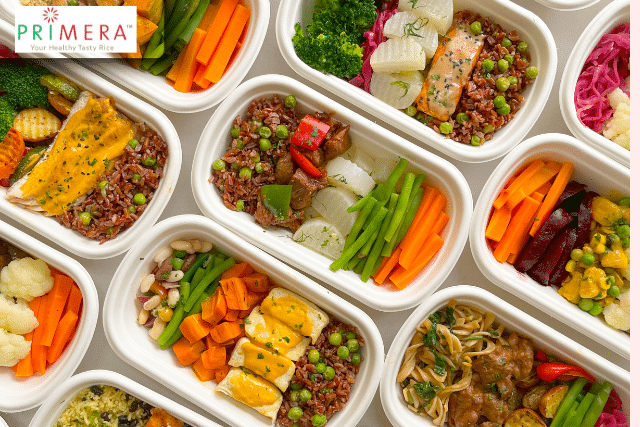
A healthy diet is a plan that’s naturally rich in nutrients and low in fat and calories. Key elements are fruits, vegetables and whole grains. In fact, a diabetic diet is the best eating plan for everyone.
Can I eat rice if I have diabetes?
As glucose in the body comes from foods that contain carbohydrates (carbs), people may question whether or not they should eat rice. A person with diabetes does not have to avoid carbs altogether, but they will need to think about the types and quantity of carbs that they eat.

There are different types of rice, some of which may be healthier than others. According to the National Institute of Diabetes, Digestive and Kidney Diseases (NIDDK), USA, a person with diabetes should get at least half of their daily carbs from whole grains in order to avoid “sugar spikes,” which are periods in which blood glucose levels are very high. These spikes can increase the likelihood of worsening diabetes symptoms.
While looking for rice, a diabetic patient or prediabetes should look out for rice with a low Glycaemic Index (GI) label. GI is a relative ranking of carbohydrate in foods according to how they affect blood glucose levels. On the scale of 0 to 100, lower GI carbohydrate means the carbohydrate only induces smaller fluctuations of glucose in your bloodstream.
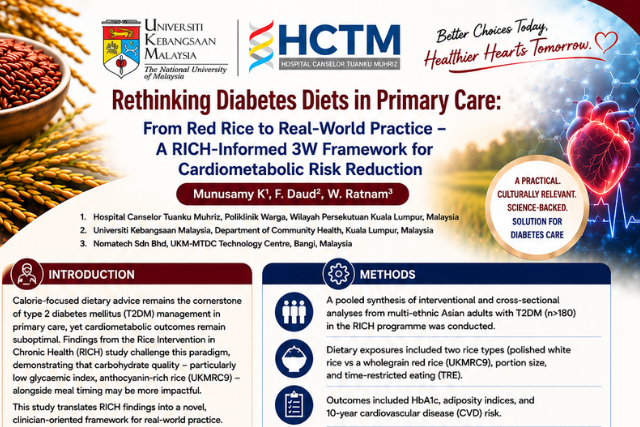
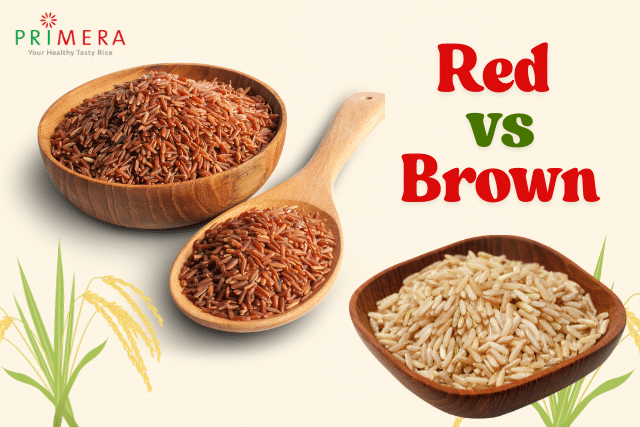
Research revealed that Primera Red Rice has a GI score at 46 which is lowest in the market, compared to Basmati, Thai red rice and Jasmine white rice at 50, 55 and 77, respectively. Aside from that, Primera Red Rice is also rich in vitamins, minerals, proteins, plant fibre and antioxidants. Thus, making it a better choice of rice for diabetic patients and people with prediabetes symptoms and even for healthy individuals.
World Diabetes Day
As World Diabetes Day is on 14th November every year, let’s switch to Primera Rice, the healthy tasty rice for everyone.