By Joseph Masilamany
*“The writer of this article was honoured by the Malaysian Ministry of Health in 2007 as the nation’s Top Medical Journalist.”*
Rice remains a dietary cornerstone across Asia and much of the developing world. However, with escalating rates of Type 2 diabetes, obesity, metabolic syndrome and cardiovascular disease, the metabolic impact of staple carbohydrates has come under increasing scrutiny.
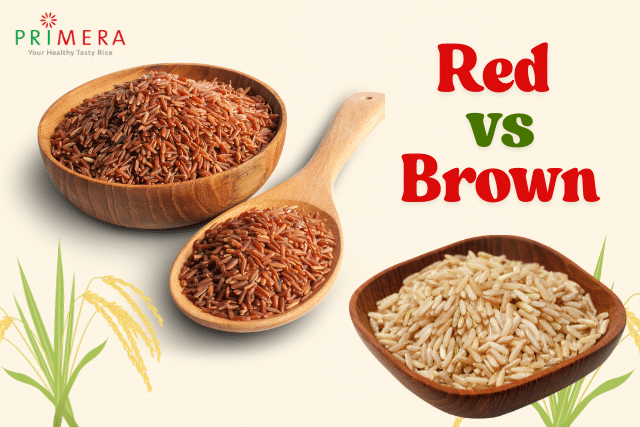
Brown rice has long been promoted as a healthier alternative to white rice. Yet emerging evidence suggests that the comparison between red rice and brown rice carries important clinical distinctions. Not merely nutritional differences, but physiologically meaningful ones.
In therapeutic nutrition, these distinctions matter.
The glycaemic index (GI) measures the incremental rise in blood glucose following carbohydrate ingestion. Lower GI foods are digested and absorbed more slowly, producing more stable postprandial glucose and insulin responses.
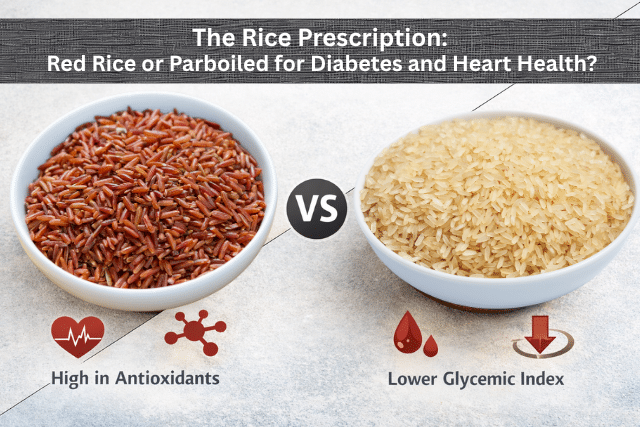
Most brown rice varieties fall within the intermediate GI range. Red rice varieties, depending on cultivar, range from low to intermediate GI.
A key determinant of this difference is amylose content (AC). Amylose and GI are inversely proportional:
The higher the amylose content, the lower the glycaemic response. However, this relationship is not without trade-offs:
The desired amylose range in culinary practice is typically intermediate, balancing texture and digestibility. Interestingly, Homegrown Primera Red Rice demonstrates an unusual and clinically relevant profile.
It possesses intermediate amylose content yet produces a low glycaemic response, remaining soft and slightly chewy when cooked due to its bran layer. This combination has practical and therapeutic implications.
Brown rice retains its bran and germ layers, providing fibre, magnesium, B vitamins and phytonutrients. Epidemiological studies consistently associate higher whole grain intake with reduced risk of Type 2 diabetes and cardiovascular disease.
For metabolically healthy individuals, brown rice remains a sound dietary option.
However, from a clinical standpoint, most brown rice varieties fall within the intermediate GI range. While superior to white rice, they may still provoke moderate postprandial glucose excursions in individuals requiring tight glycaemic control.
Thus, brown rice represents an improvement in general nutrition but not necessarily the optimal therapeutic rice choice for patients with established insulin resistance or diabetes.
Red rice differs from brown rice not merely in colour but in phytochemical composition and starch structure.
Red rice varieties contain:
In the comparison of red rice vs brown rice, the defining distinction lies in starch behaviour and metabolic response, not just fibre content.
The bran pigments in red rice contribute antioxidant and anti-inflammatory potential, relevant in cardiometabolic disease management.
More importantly, certain red rice cultivars including Primera Rice demonstrate a lower glycaemic impact despite intermediate amylose content, achieving metabolic stability without compromising palatability.
Postprandial hyperglycaemia contributes significantly to overall glycaemic burden and vascular damage.
Diets incorporating lower GI carbohydrate sources reduce HbA1c levels in individuals with diabetes. When comparing red rice vs brown rice in diabetic meal planning, red rice varieties with lower GI may offer improved glucose stability while preserving cultural dietary patterns.
Substitution rather than elimination enhances both metabolic control and long-term adherence a critical factor in Asia’s rice dependent populations.
High glycaemic load diets are associated with endothelial dysfunction, oxidative stress and systemic inflammation.
In this context, selecting red rice with a lower glycaemic response over intermediate GI brown rice may contribute to a reduced inflammatory burden and improved metabolic markers, forming part of a broader cardiovascular risk reduction strategy.
Low to intermediate GI carbohydrates enhance satiety and reduce rapid glucose fluctuations that drive compensatory hunger.
While brown rice provides fibre mediated fullness, red rice varieties with lower glycaemic response may offer extended glucose stability an advantage in structured weight management programmes.
Gestational diabetes requires meticulous postprandial glucose control. Similarly, Polycystic Ovary Syndrome (PCOS) is closely linked to insulin resistance.
In these contexts, the choice between red rice and brown rice may influence insulin sensitivity and glycaemic outcomes.
Red rice varieties demonstrating lower GI responses can be integrated into culturally appropriate dietary strategies without necessitating complete rice restriction.
Cooking methods influence glycaemic response. Overcooking increases starch gelatinisation, potentially raising GI. Cooling cooked rice promotes resistant starch formation, modestly reducing glycaemic impact. Amylose content also affects texture:
Primera Red Rice, with intermediate amylose content yet low glycaemic response, achieves a rare balance: Soft texture, slightly chewy from the bran, culturally acceptable yet metabolically favourable.
This addresses a common clinical barrier: therapeutic foods must be acceptable to be sustainable.
Eliminating rice is rarely feasible in rice dependent societies. Sustainable therapeutic diets must respect cultural identity and food traditions.
The discussion of red rice vs brown rice, therefore, extends beyond nutrient comparison. It represents a refinement in metabolic nutrition strategy shifting from simply “whole grain” advocacy to understanding starch structure, amylose composition, and glycaemic physiology.
Rather than removing rice from the plate, clinicians may recommend transitioning from white or standard brown rice to appropriate red rice varieties with favourable glycaemic profiles.
Such an approach preserves dietary familiarity while enhancing metabolic outcomes the cornerstone of effective long-term nutrition therapy.
The shift from white rice to brown rice marked an important nutritional advance. Yet the rise of metabolic disease calls for further precision.
The comparison of red rice vs brown rice reflects an evolution in nutrition science from general whole grain promotion to targeted metabolic optimisation.
Brown rice remains a wholesome everyday option for healthy individuals.
However, in structured clinical applications particularly in diabetes, insulin resistance, gestational diabetes and cardiometabolic risk carefully selected red rice varieties with lower glycaemic response and favourable amylose balance, such as Primera Red Rice, may offer enhanced metabolic stability without sacrificing texture or cultural acceptability.
In modern clinical nutrition, the question is no longer simply whether rice is a whole grain, but how its starch behaves in the human body.
Discover the benefits of Primera Red Rice and how it can support healthier diets and product innovation. Get in touch with us today. Contact our team >>> Primera Rice <<<

Please click the button below to download our latest brochure.
[Download] Official Primera Brochure
[Download] Primera Rice Cooking Guideline
[Download] Primera Rice Quick Facts
Thank you for your interest in Primera.