By Joseph Masilamany
*“The writer of this article was honoured by the Malaysian Ministry of Health in 2007 as the nation’s Top Medical Journalist.”*
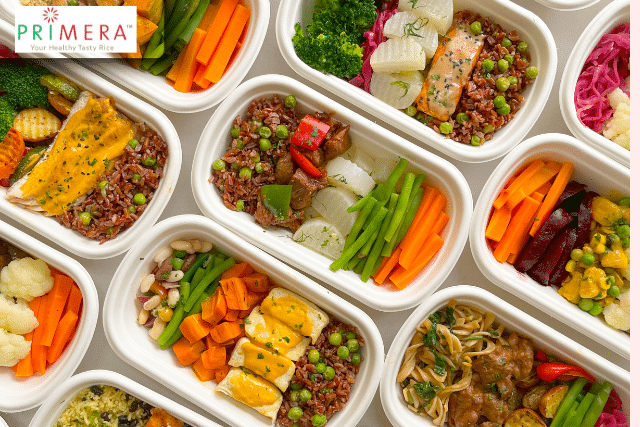
Rice is more than a staple in Malaysian meals. It is a marker of culture, memory, and daily life. From nasi lemak at breakfast to plain steamed rice at dinner, it anchors the Malaysian plate. Yet in hospital kitchens, rice takes on a different identity altogether. It is no longer simply food; it becomes a clinical component of care.
For patients with diabetes, the type of rice served can directly influence blood glucose levels, recovery outcomes, medication effectiveness, and overall nutritional management. In these settings, rice is no longer neutral. It is therapeutic or potentially harmful depending on its glycaemic properties.
This is why hospitals across Malaysia are paying closer attention to low-glycaemic index (low-GI) rice, and why Primera Rice is emerging as a practical and reliable choice for diabetic patient meals.
In this product spotlight, we explore how hospitals evaluate low-GI rice, the criteria dietitians and procurement teams apply, and why Primera Rice is well-positioned as a dependable low-GI rice supplier for Malaysian hospitals.
Diabetes is one of the most prevalent chronic conditions treated in Malaysian hospitals. According to national health data, diabetes frequently coexists with other conditions such as cardiovascular disease, kidney disease, infections, and post-surgical complications. For these patients, blood sugar control is not merely a long-term concern it is an immediate clinical priority.
Diet plays a central role in this control. While medications and insulin therapy are essential, their effectiveness can be undermined if meals cause unpredictable glucose spikes. Rice, as a major carbohydrate source in Malaysian hospital meals, becomes a critical variable.
The glycaemic index (GI) measures how quickly carbohydrates in food are broken down into glucose and released into the bloodstream. High-GI foods cause rapid spikes in blood sugar, followed by sharp drops. For diabetic patients, these fluctuations increase the risk of complications, delay healing, and place additional strain on medical management.
Polished white rice, which is commonly consumed, tends to have a high GI due to the removal of its bran and germ. This makes it fast-digesting and more likely to raise blood sugar quickly.
Low-GI rice, on the other hand, releases glucose more slowly. This steadier response helps maintain more stable blood sugar levels, supports insulin effectiveness, and reduces the risk of post-meal hyperglycaemia. For hospitals, this translates into safer meals, better recovery outcomes, and more predictable nutritional management.
Selecting rice for diabetic patient meals is not a simple matter of swapping one grain for another. Hospital dietitians, food service managers, and procurement teams apply a multi-layered evaluation process to ensure patient safety and operational efficiency.
Hospitals require rice that demonstrates consistent glycaemic performance not just in laboratory testing, but in real-world kitchen conditions. Variations in GI between batches or cooking methods can lead to unpredictable blood sugar responses, which hospitals cannot afford. Consistency is especially important in institutional settings, where meals are prepared in bulk and served to hundreds or thousands of patients daily.
Beyond GI, hospitals assess the overall nutritional profile of rice. Whole-grain varieties are preferred because they retain fibre, vitamins, and minerals that are lost during polishing. Higher fibre content improves satiety, slows digestion, and supports long-term glucose control all important factors for diabetic patients.
Hospital kitchens operate under tight schedules and strict hygiene protocols. Rice must cook evenly in large batches, maintain its structure, and remain palatable during holding and service. Rice that becomes mushy, breaks apart, or dries out quickly can disrupt operations and compromise patient experience.
Even in clinical settings, food acceptance matters. Patients who dislike their meals are more likely to leave food untouched, increasing the risk of undernutrition. Hospitals, therefore, prioritise rice that has a familiar taste and texture, even if it is nutritionally modified.
Hospitals need dependable supply chains. Disruptions can affect meal planning, inventory management, and patient care. Local sourcing is often favoured because it shortens supply lines, improves responsiveness, and enhances traceability all important considerations in healthcare procurement.
Primera Rice has gained attention as a low-GI rice option that aligns well with hospital requirements for diabetic patient meals. Its strengths lie in both nutritional suitability and operational practicality.
A Naturally Low-GI Profile
Primera Rice is a whole-grain rice variety with a lower glycaemic response compared to conventional polished white rice. This makes it suitable for diabetic patients who require controlled carbohydrate intake without eliminating rice entirely from their meals.
Whole-Grain Nutritional Benefits
Because the bran layer remains intact, Primera Rice contains higher fibre levels and retains essential micronutrients. Fibre plays a crucial role in slowing glucose absorption, supporting digestive health, and promoting satiety benefits that are particularly relevant in hospital settings where portion control is essential.
Consistent Cooking Performance
Primera Rice cooks evenly and maintains its texture, making it suitable for bulk cooking in hospital kitchens. It performs well across multiple applications, including steamed rice, porridge, congee, mixed rice dishes, and therapeutic diets that require softer textures.
A Local Supply Advantage
As a low-GI rice supplier in Malaysia, Primera Rice offers the advantage of local sourcing. This reduces dependence on imported rice, shortens delivery times, and enhances supply reliability. All critical for hospitals managing daily meal operations.
The Practical Benefits of Switching to Low-GI Rice in Hospitals
Adopting low-GI rice is not merely a nutritional upgrade. It delivers tangible operational and clinical benefits.
Improved Blood Sugar Control
Lower post-meal glucose spikes help stabilise diabetic patients, reduce complications, and support faster recovery. This also eases the burden on clinical staff managing insulin and medication timing.
Better Patient Satisfaction
Rice that tastes good and holds its texture encourages patients to eat consistently. Adequate food intake supports healing, reduces waste, and improves overall patient experience.
Simplified Dietitian Planning
Having a reliable low-GI rice allows dietitians to design standardised meal plans with confidence. Consistency in ingredients leads to more predictable outcomes and easier monitoring.
Operational Efficiency
Primera Rice integrates smoothly into existing kitchen workflows. It does not require specialised equipment or major process changes, making adoption straightforward for hospital food services.
Support for Local Supply Chains
Sourcing from a Malaysian low-GI rice supplier strengthens local agriculture, improves supply security, and aligns with institutional sustainability goals.
Hospitals typically adopt new food products through a phased approach to minimise disruption:
Once validated, the rice can be rolled out across broader menus and meal plans.
For hospitals seeking to improve diabetic patient nutrition without compromising operational efficiency, low-GI rice is becoming an essential component. Primera Rice offers a balanced solution combining controlled glycaemic response, whole-grain nutrition, reliable cooking performance, and local supply stability.
For healthcare institutions looking for a dependable low-GI rice supplier in Malaysia, Primera Rice represents a practical, patient-centred choice that aligns nutrition with care.
Because rice is a daily habit, choose a better one.
📞 Reach us here : Contact Primera Rice

Please click the button below to download our latest brochure.
[Download] Official Primera Brochure
[Download] Primera Rice Cooking Guideline
[Download] Primera Rice Quick Facts
Thank you for your interest in Primera.