Pongteh Chicken
November 15, 2019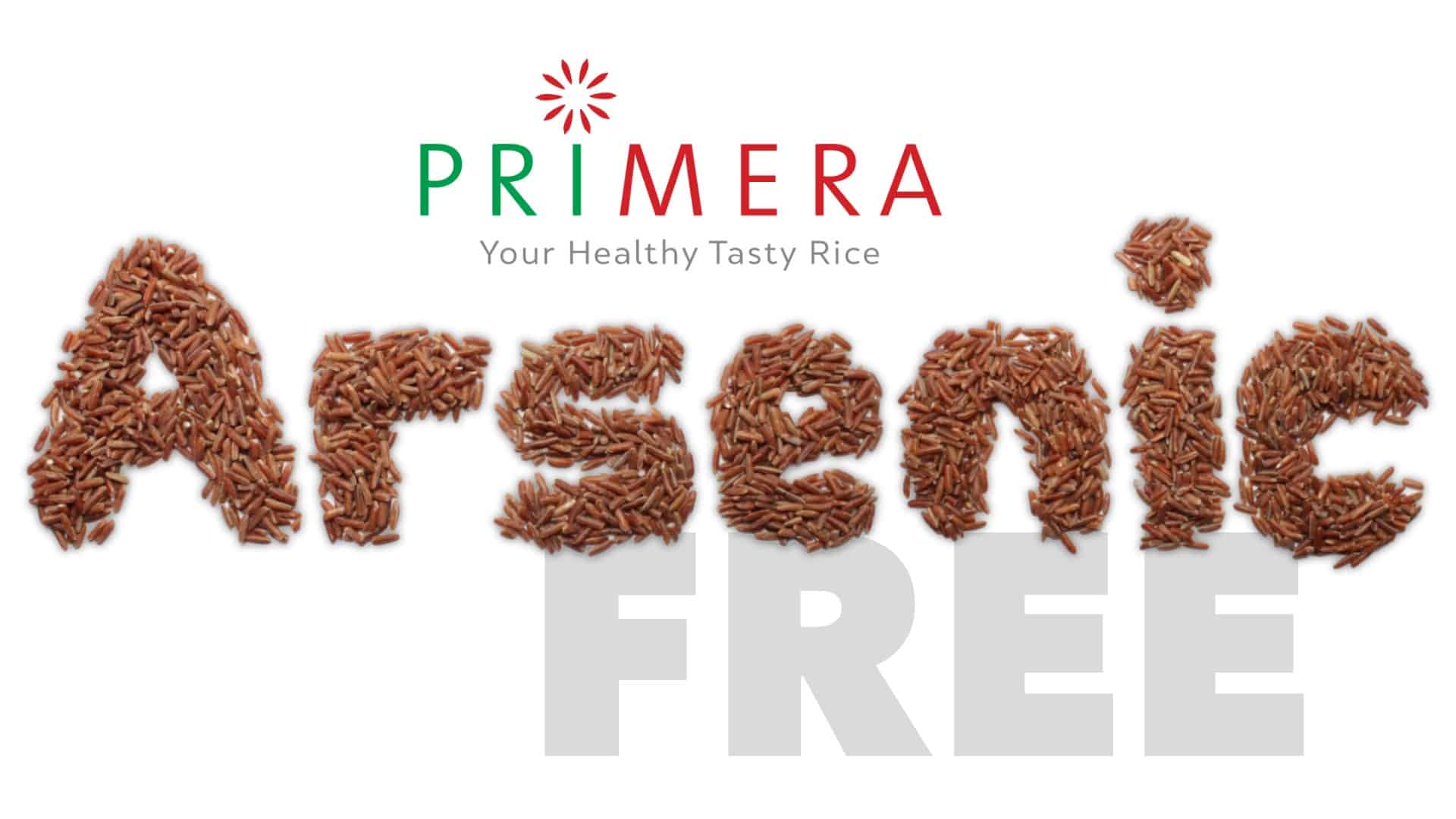
Arsenik dalam Beras
November 19, 2019

Rice is probably one of the most consumed staple foods that you can enjoy around Asia. But did you know that in a plate of your favourite white rice there might be a dangerous substance called arsenic. Arsenic is also known as one of the world’s deadliest poison! In fact, whether it be white, coloured, wild or even organic rice, they all have traces of arsenic in them.
Arsenic is a natural component in the earth’s crust, found also in water, and air. Arsenic in its organic state is part of plant and animal tissue but is safe as it is combined with carbon. Its inorganic form is found in rocks, soil and water.
It’s the inorganic form of arsenic that is very toxic. It has been used as a poison since ancient times. The U.S. EPA and International Agency for Research on Cancer also has labelled arsenic to be a category 1 carcinogen due to its aggressiveness in causing cancer in humans. It also is associated with the development of many diseases such as diabetes, pulmonary disease, cardiovascular disease, and increases the chance of kidney failure. For pregnant women, and children the effects are even worse. If a woman is exposed to arsenic during her pregnancy, the unborn baby is at high risk of having a compromised immune system.
How Arsenic Gets Into Rice?
So how did rice, the staple diet of Asia, become so poisoned with arsenic? Well this is due to the interference of humans with the natural order of things. Humans add arsenic into the soil through the use of pesticide and fertilisers. It is then absorbed by crops.
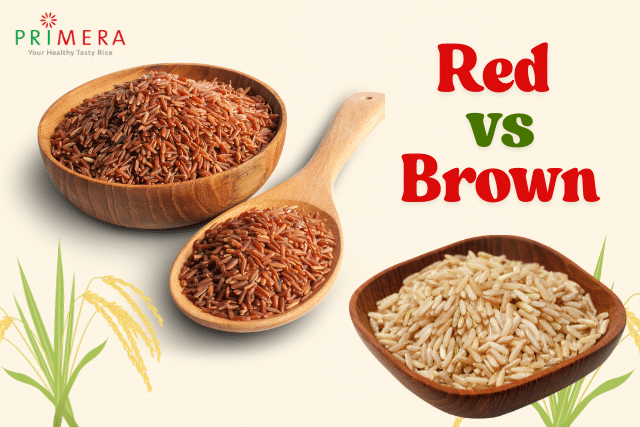
And you’d be surprised to discover that white rice has the least form of arsenic. In fact, the Consumer Reports have shown that brown or unpolished rice has more than 80% arsenic compared with white rice. The reason is because arsenic tends to collect in the pericarp or bran layer of unpolished rice. The same can be said of black rice too, as it also still has the pericarp unlike white rice.
With that said, organic rice will therefore contain the least arsenic as fewer pesticides are used. However, it could still soak up arsenic that occurs naturally in the soil. Of course, this does not mean you should give up on rice. The reason is that arsenic is water soluble and can be washed off to some extent.
Studies showed that cooking rice in excess water, with one part rice and 6 to 10 parts water reduces the inorganic arsenic content as much as 40 to 60% depending on rice.
Are There Arsenic Free Rice?
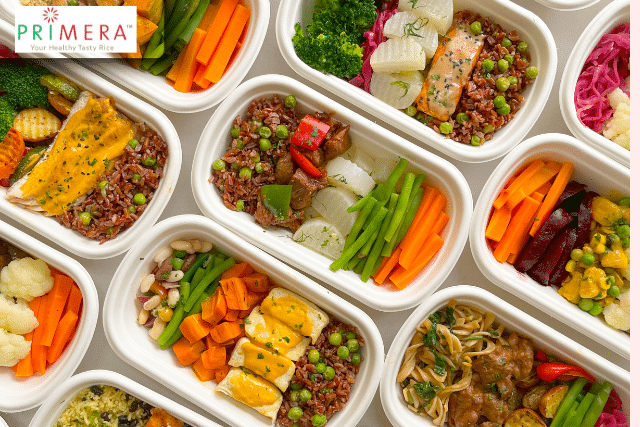
But if you would like to skip all the hassle of preparing rice that still may have a risk percentage, you can opt for arsenic free rice! One of these is Primera Red Rice which is certified to be arsenic free. Primera Red Rice is arsenic free as its planting is based on good agricultural practices using pure seeds from a single variety. On top of that as a red rice, it contains many more nutrients and minerals that are not found in white rice. So for the safety and health of yourself and family, go for Primera Red Rice.