Stay Healthy – from a Community Nutrition Expert (Part 1 of 2)
November 29, 2019
Adakah Beras Anda Miliki Selamat Untuk Dimakan?
December 3, 2019

In recent years, many issues have risen in regards to the safety of the consumption of rice such as contamination from heavy metals, microbes and arsenic.
Heavy Metal Contamination
Heavy metals and metalloids are found naturally in the earth but some are highly toxic to humans. With increasing human activities, especially mining and industrial processing, these metals have become an environmental problem. Plants absorb these heavy metals from contaminated soil and accumulate higher concentrations of heavy metals that we end up eating. The Japanese Journal of Hygiene in 2012 found that eating rice with high cadmium content presented a high risk to Japanese farmers. Female farmers over 70 years of age had decreased renal tubular function. Others exposed to cadmium poison had spinal and leg pain with complications including coughing, anaemia, and kidney failure, ultimately leading to death.
Arsenic Risk in Rice?
Arsenic is a naturally present metalloid in the environment; found in soil, water, plants, and animals. It exists in two forms: organic and inorganic, whereby inorganic arsenic is generally considered more toxic than organic arsenic. Inorganic arsenic has been most often used in pesticides and fertilizers, and is absorbed into the rice which we eat.
Arsenic is linked to skin, lung, bladder, liver, and kidney cancers. Studies published in Journal of Toxicology in 2011 suggests that lung cancer is the most common cause of arsenic-related mortality. The International Agency for Research on Cancer and U.S. EPA has classified arsenic as a category 1 carcinogen.
The U.S. Food and Drug Administration found that high levels of inorganic arsenic during pregnancy have ill effects on both the mothers and babies. Pregnant mothers have compromised immune systems, and the children have developmental defects.
Microbial contamination
Rice also can be contaminated through microbes. They are two categories of microbes, one that cause disease to the plant during cultivation and another one causes spoilage during storage. Some field fungi can produce mycotoxins in growing rice. These poisons, cause cancer if eaten. Rice stored correctly is dry enough that bacteria will not grow, however some like Salmonella may survive. Cooking rice may kill the bacteria, rice can become contaminated again through the environment if the food is not chilled properly. These bacteria produce toxins which cause vomiting and diarrhoea.
How to avoid contaminated rice?
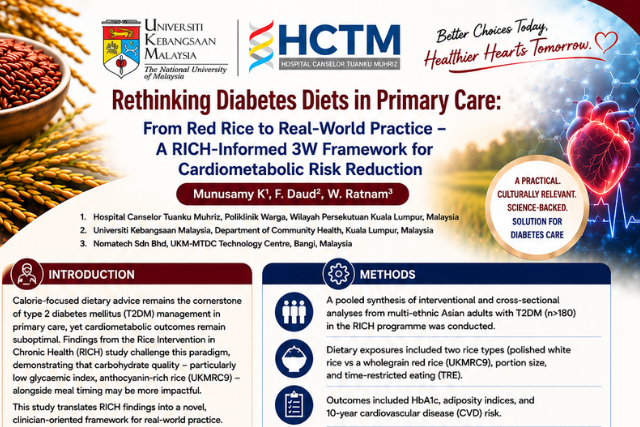
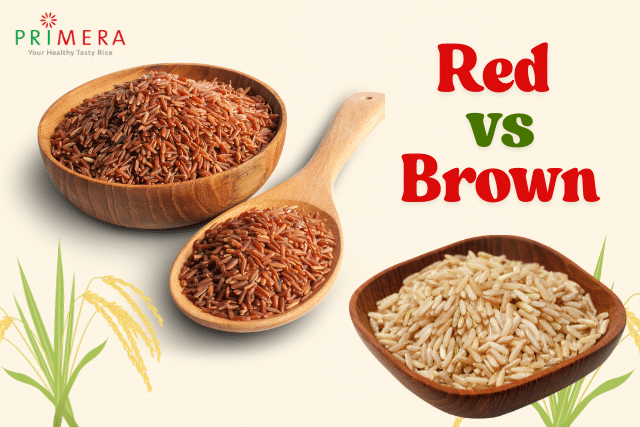
Should you stop eating rice to avoid the health risks from heavy metal, arsenic and microbes? The answer is NO! Instead you can go for Primera Red Rice a proud product of Malaysia, co-developed by Universiti Kebangsaan Malaysia and the Malaysian Agricultural Research and Development Institute. Cultivated under stringent planting methods, the rice produced is free from heavy metals and arsenic contamination. It is dried and milled before being vacuum packed to maintain the freshness.Primera Red Rice is also packed with vitamins, minerals, anti-oxidants, proteins and fibre. It’s glycaemic index (GI) is even known to be lowest in the market. These make The Primera Red Rice one of the safest and healthiest choice of rice for family daily consumption.