Chef Wan PR Event Q & A Session
July 5, 2023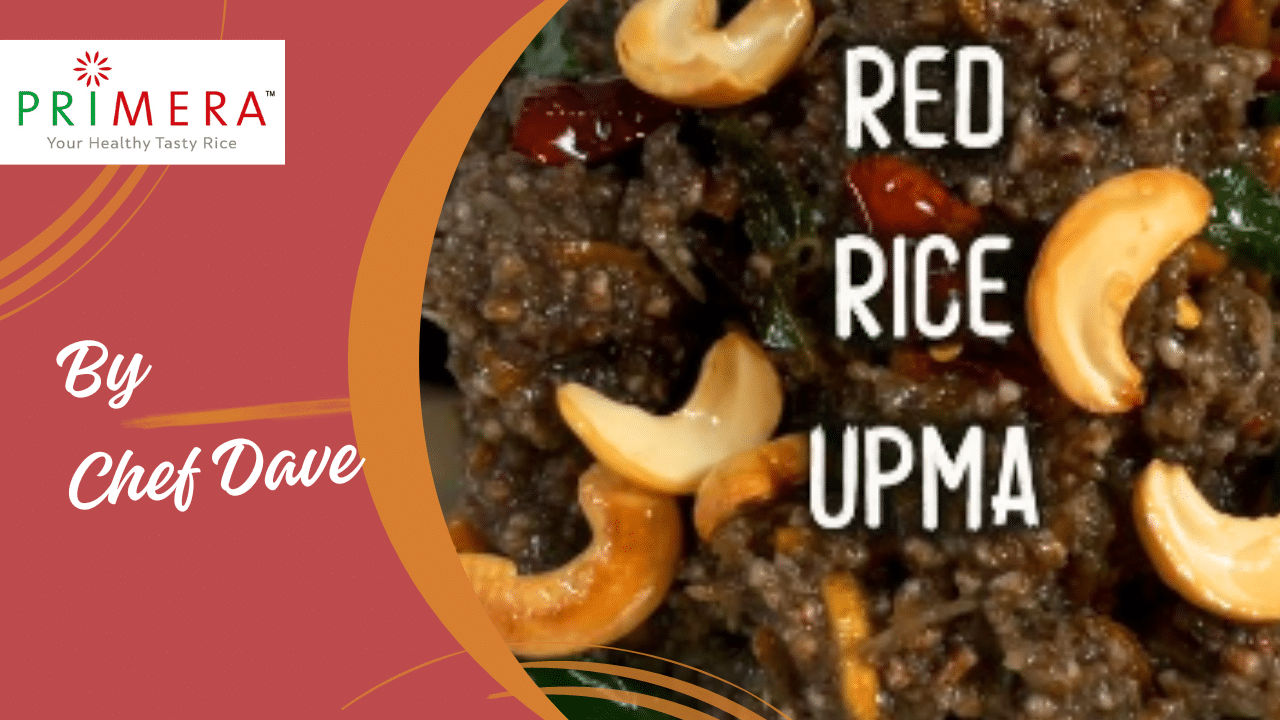
Red Rice Upma by Chef Dave
July 31, 2023
By Dr. Shashikala (UCSI University)
Dietary fibers are a complex group of carbohydrates and lignin that are not hydrolyzed by human enzymes and, therefore, are not digested or absorbed in the human body (1). Dietary fiber is intact in plants and is composed of a complex polymer of phenylpropanoid subunits. Soluble fiber is the edible part of the plant that is resistant to digestion but could be partially or totally fermented by colonic bacteria to short-chain fatty acids in the large intestine. Meanwhile, insoluble fiber passes through the digestive tract intact (2).
Difference between soluble and insoluble fiber
Insoluble fiber includes cellulose, some hemicellulose, and lignin. Cellulose is a long linear polymer made of β(1–4)-linked glucose units, and the hydrogen bond between glucose residues gives the 3-dimensional structure of cellulose. Hemi-cellulose is formed of both hexose and pentose sugars with the backbone linked by β(1–4) bonds, while the side chain includes galactose, arabinose, and glucuronic acid linked via β(1–2) and β(1–3) bonds. On the other hand, lignin is formed of phenol polymers that are highly branched with strong intramolecular bonds (2).
Soluble fiber encompasses pectin, gums, mucilage extracted from psyllium husk, glucans, and fructans, as well as some hemicellulose. Pectin is a heterogeneous polysaccharide and is composed of unbranched chains of α(1–4)-linked D-galacturonic acid backbone, with chains of pentose and hexoses attached to the backbone. Gums are secreted at the site of plant injury and contain galactose backbone linked by α(1–3) and α(1–6) bonds with side chains of arabinose, glucuronic acid, methyl-glucuronic acid or galactose. Mucilage, found in the plant psyllium, is structurally similar to gums, and is viscous, gel-forming water-soluble fiber containing up to 80% soluble polysaccharide (2).
Soluble fiber is resistant to hydrolysis by small intestinal enzymes in humans but is fermented by bacteria to short-chain fatty acids (SCFA) in the large intestine. The production of SCFA leads to alterations in the intestinal microbiota, which contributes to the hypocholesterolemic effects of soluble fiber (3). Dietary fiber adds bulk to the diet, adsorbs and sequesters cholesterol, and thus decreases hepatic absorption and increases excretion through bile and fecal lipids and bile acids.
Dietary fibers including soluble and insoluble fibers refer to ingredients in plants including non-digestible carbohydrates and lignin. The plant cell wall consists of a primary and secondary wall, which represents most of the content of dietary fiber. Dietary fibers are classified based on their solubility in hot water, water holding capacity (hydration), and viscosity (3,4). As mentioned above, soluble fibers include viscous fibers such as glucans, fructans (inulin, fructooligosaccharides), gum, pectin, mucilage, and non-viscous fibers such as hemicellulose. Soluble fibers absorb water, leading to gel formation, which increases food transit time, delays gastric emptying, decreases nutrient absorption, and slows digestion. Food sources of soluble fiber include vegetables such as carrots, broccoli, onion, and artichokes, and fruits including bananas, berries, apples, and pears, as well as legumes, oats, and barley. The insoluble fibers include some hemicellulose, cellulose, and lignin.
Unlike soluble fiber, the insoluble fiber decreases transit time and increases fecal bulk, and thus helps to relieve constipation. The insoluble fibers are found in whole grain, unpolished rice, bran, nuts, and seeds, as well as in some fruits and vegetables. While both soluble and insoluble fibers are undigestible and can be fermented by bacteria using its own enzymes to hydrolyze the fiber, soluble fibers are much more easily fermentable by the gut bacteria, and thus have some prebiotic functions and provide a source of short-chain fatty acids. As such, short-chain fatty acids are rapidly absorbed from the large intestine and can be oxidized for energy production. Absorption of short-chain fatty acids such as propionic acid has been shown to decrease cholesterol synthesis in the liver, leading to decreased blood cholesterol and increased sodium and water absorption into the colonic mucosal cells (5,6). Short-chain fatty acids also increase the acidification of colon luminal environment, in turn, the acidic pH decreases the solubility of the free bile acids and increases excretion of bile and at the same time decreases the conversion of free bile acids to secondary bile acids which are more toxic.
Benefits of dietary fiber
Epidemiologic evidence has consistently shown that a higher intake of dietary fiber is associated with a reduced risk of several chronic diseases, including cardiovascular diseases (CVDs), cancer, type 2 diabetes, and obesity (6). Many potential mechanisms through which fibers may act have been postulated, including the following:1) reduced absorption of glucose and LDL cholesterol; 2) satiation and satiety effect, which may promote weight loss; 3) gut microbiome–induced production of short-chain fatty acids, which have immunomodulatory and anti-inflammatory properties; 4) trapping of bile acids and carcinogenic substances; and 5) increased intake of biologically active compounds, such as phytochemicals and antioxidants (5). Indeed, experiments in animal models indicate that dietary fiber intake is associated with lower concentrations of inflammatory and oxidative stress markers (7,8), which, in turn, are associated with several health outcomes including several cancers and CVD (9-12).
The Academy of Nutrition and Dietetics position on fiber intake is to increase consumption of whole grains, fruits and vegetables, nuts and legumes, and that dietary fiber is associated with risk reduction of type 2 diabetes, cardiovascular disease, and select cancer types (13).
Dietary fiber can be used as a dietary change to complement statin monotherapy in lowering total and LDL-Cholesterol and to reduce the prescribed dose of statin, decrease the side effects, and improve drug tolerability. Soluble and insoluble dietary fibers in whole foods have multiple non-nutritive health effects that help improve the lipoprotein profiles, and have no caloric value, and thus could be part of a healthy eating pattern. The abundance of dietary fiber in whole grain, protein food, fruits, and vegetables, makes them attractive targets for disease prevention and reduction of risk of atherosclerosis and cardiovascular disease. Dietary recommendations that promote a higher fiber intake as part of a healthy diet should be supported. However, future randomized controlled trials in large sample sizes are needed to confirm these observational findings and to study the effects of different fiber subtypes.
References:
- Eastwood, M.A.; Kay, R.M. 1979. A hypothesis for the action of dietary fiber along the gastrointestinal tract. The American Journal of Clinical Nutrition. 32, 364–367.
- Harvey, R.; Ferrieres, D. Biochemistry, Lippincott’s Illustrated Reviews, Lippincott Williams and Wilkins (Publisher), 5th ed.; Harvey, R.A., Ed.; Lippincott Williams, & Wilkins: Baltimore, MD, USA, 2011.
- Gropper, S.S.; Smith, J. Advanced Nutrition and Human Metabolism, 6th ed.; Wadsworth Publishing: Belmont,CA, USA, 2013.
- Smith, U.; Holm, G. 1982. Effect of a modified guar gum preparation on glucose and lipid levels in diabetics and healthy volunteers. Atherosclerosis 45, 1–10.
- Anderson, J.W. 1987. Dietary fiber, lipids and atherosclerosis. American Journal of Cardiology60, 17–22.
- Anderson, J.W.; Baird, P.; Davis, R.H., Jr.; Ferreri, S.; Knudtson, M.; Koraym, A.;Waters, V.;Williams, C.L. 2009. Health benefits of dietary fiber. Nutrition Reviews. 67, 188–205.
- Xu H, Huang X, Riserus U, Krishnamurthy VM, Cederholm T, Arnlov J, Lindholm B, Sjogren P, Carrero JJ. 2014. Dietary fiber, kidney function, inflammation, and mortality risk. Clinical Journal of the American Society of Nephrology 9(12):2104–10.
- Miller SJ, Batra AK, Shearrer GE, House BT, Cook LT, Pont SJ, Goran MI, Davis JN. 2016. Dietary fibre linked to decreased inflammation in overweight minority youth. Pediatric Obesity 11(1):33–9.
- Madeddu C, Gramignano G, Floris C, Murenu G, Sollai G, Maccio A. 2014. Role of inflammation and oxidative stress in post-menopausal oestrogen-dependent breast cancer. Journal of Cellular and Molecular Medicine 18(12):2519– 29.
- Coussens LM, Werb Z. 2002. Inflammation and cancer. Nature 420(6917):860–7.
- Reuter S, Gupta SC, Chaturvedi MM, Aggarwal BB. 2010. Oxidative stress, inflammation, and cancer: how are they linked? Free Radical Biology and Medicine 49(11):1603–16.
- ErkkilaAT, Lichtenstein AH. 2006. Fiber and cardiovascular disease risk: how strong is the evidence? Journal of Cardiovascular Nursing 21(1):3–8
- Dahl, W.J.; Stewart, M.L. 2015. Position of the Academy of Nutrition and Dietetics: Health Implications of Dietary Fiber. Journal of the Academy of Nutrition and Dietetics 115, 1861–1870.
Related posts