Insulin is a hormone that regulates the blood glucose level by helping the body’s cells to absorb glucose. When a person takes insulin as a therapy for diabetes, anabolic effects of insulin on muscle fiber and adipose tissue, thus resulting in weight gains. Besides, attenuation of insulin-evoked responses in brain networks that control appetite in insulin-resistant patients can lead to enhanced hunger and increased food intake. Mild but frequent episodes of hypoglycaemia resulting in defensive snacking. Intervention studies from the research of Ruchi Vaidy have shown improved fat loss/weight loss with low GI diets compared to high GI diets, even though the diets having similar nutrient contents. Low GI foods tend to maintain glucose and insulin at moderate levels and increases satiety.
(from: Glycemic Index of Indian Cereal Staple Foods and their Relationship to Diabetes and Metabolic Syndrome)
(from: Insulin Therapy and Type 2 Diabetes: Management of Weight Gain)
Zinc, a nutrient found throughout your body, helps your immune system and metabolism function. Zinc is also important to wound healing and your sense of taste and smell. With a varied diet, your body usually gets enough zinc. The value of zinc is 2.8mg/100g.
Rich in Fiber & High in Resistant Starch
Rich in fiber and resistant starch to support a healthier digestive system from the inside out. It helps nourish beneficial gut bacteria, promotes smoother digestion, improves regularity, and keeps you feeling fuller for longer. A healthier gut also contributes to better overall wellness, immunity, and everyday vitality.
Rich in Antioxcidant
Antioxidants are substances that may protect your cells from free radicals, which may play a role in heart disease, cancer, and other diseases. Free radicals are molecules that are produced when your body breaks down food or when you are exposed to tobacco smoke or radiation.
Low Glycemic Index (GI) : 46
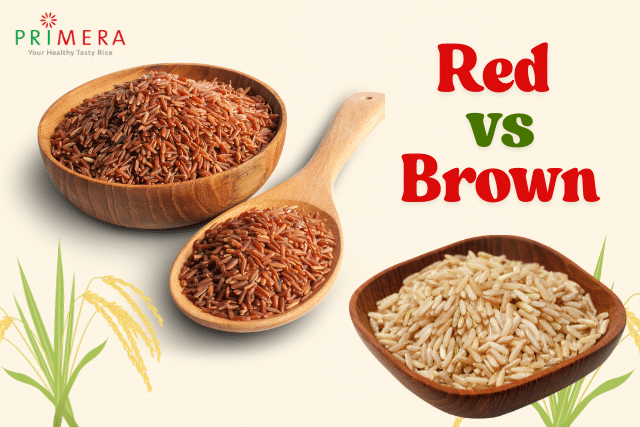
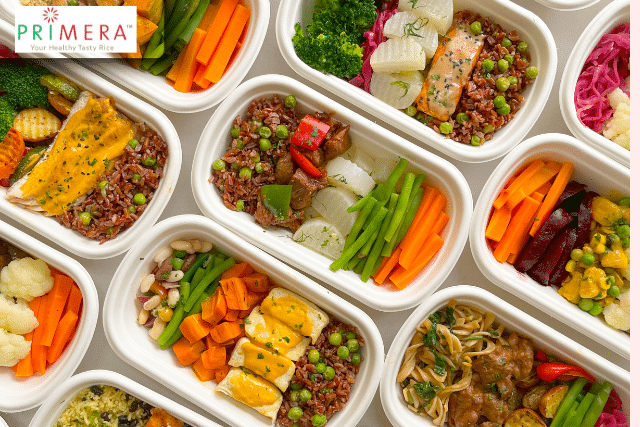
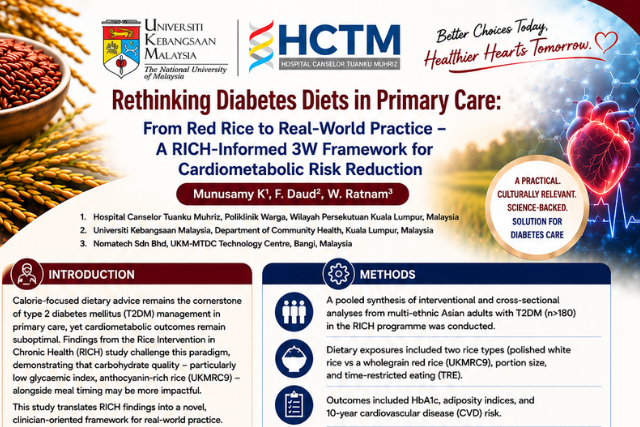
Primera® Red Rice, known as UKMRC9, has a low glycaemic index value (41-48%) which helps to lower and stabilize your after-meal blood glucose level.
Low-GI foods have a GI score of less than 55. They contain carbohydrates that take longer for the body to digest than high-GI foods.
Low-GI foods cause blood sugar levels to rise more slowly than moderate- or high-GI foods.
Quality Assurance
Item
Remarks
Certificate of Analysis (CoA)
Available upon request
Clinical Validation in Type 2 Diabetes Patients
24-week clinical study completed
Low Glycaemic Index (GI 46)
Scientifically Proven
High Antioxidant
Natural anthocyanin
High Resistant Starch
Laboratory Tested
Single Variety Paddy
New Plant Variety (NPV)
Community Testing
Request for Quotation
BROCHURE DOWNLOAD
Please click the button below to download our latest brochure.