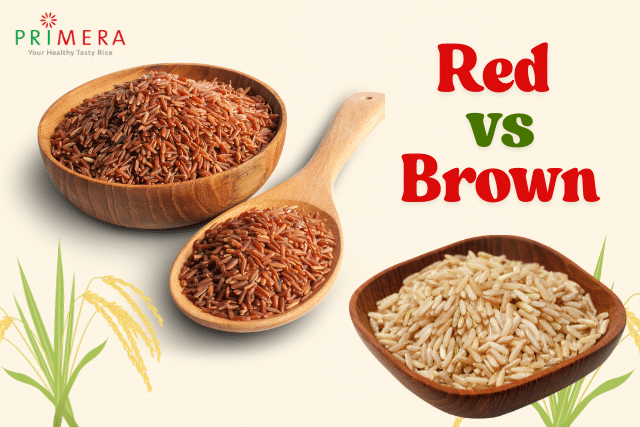
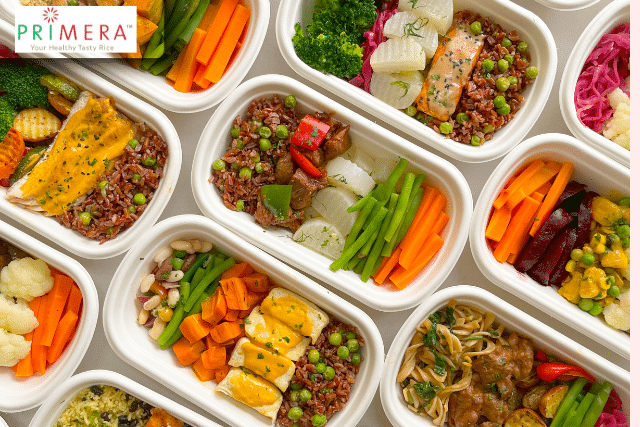
Generally, many people have the opinion that they will get healthier when they reduce the intake of rice which is the primary source of carbohydrate intake in our country. They feel that reducing or completely omitting rice from their meals helps with weight loss and contributes to a healthy diet. However, studies prove that this is not true.
Picking the right carbohydrates such as whole grains are an important aspect in one’s diet. Brown rice is an example of whole grain that is not only a source of fiber but is also rich in vitamins, minerals, and antioxidants. Numerous studies have proven that consuming whole grains such as brown rice rather than the refined white rice protects against diabetes, heart diseases and even cancer. The Nurse’s Health Study by the Harvard School of Public Health published that whole-grain eaters were found to have a lower risk of heart disease and stroke.
Zinc, a nutrient found throughout your body, helps your immune system and metabolism function. Zinc is also important to wound healing and your sense of taste and smell. With a varied diet, your body usually gets enough zinc. The value of zinc is 2.8mg/100g.
Rich in Fiber & High in Resistant Starch
Rich in fiber and resistant starch to support a healthier digestive system from the inside out. It helps nourish beneficial gut bacteria, promotes smoother digestion, improves regularity, and keeps you feeling fuller for longer. A healthier gut also contributes to better overall wellness, immunity, and everyday vitality.
Rich in Antioxcidant
Antioxidants are substances that may protect your cells from free radicals, which may play a role in heart disease, cancer, and other diseases. Free radicals are molecules that are produced when your body breaks down food or when you are exposed to tobacco smoke or radiation.
Low Glycemic Index (GI) : 46
Primera® Red Rice, known as UKMRC9, has a low glycaemic index value (41-48%) which helps to lower and stabilize your after-meal blood glucose level.
Low-GI foods have a GI score of less than 55. They contain carbohydrates that take longer for the body to digest than high-GI foods.
Low-GI foods cause blood sugar levels to rise more slowly than moderate- or high-GI foods.
Quality Assurance
Item
Remarks
Certificate of Analysis (CoA)
Available upon request
Clinical Validation in Type 2 Diabetes Patients
24-week clinical study completed
Low Glycaemic Index (GI 46)
Scientifically Proven
High Antioxidant
Natural anthocyanin
High Resistant Starch
Laboratory Tested
Single Variety Paddy
New Plant Variety (NPV)
Community Testing
BROCHURE DOWNLOAD
Please click the button below to download our latest brochure.